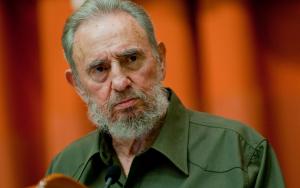
Under Fidel Castro's leadership, Cuba implemented sweeping reforms, nationalizing major industries and instituting widespread land redistribution. Though his policies attracted both admiration and criticism globally, Castro remained a resolute defender of socialism and anti-imperialism. His administration forged close ties with the Soviet Union, enabling economic and military support, particularly during the Cold War era.
Despite facing economic hardships, including a U.S.-imposed trade embargo, Cuba under Castro made notable gains in fields such as education and healthcare. However, critics often pointed to limitations on political freedoms and suppression of dissent during his rule.
Fidel Castro's role in reshaping Cuba and challenging U.S. dominance in the Western Hemisphere made him one of the most polarizing figures of the 20th century. Celebrated by some as a champion of socialism and sovereignty and condemned by others for his authoritarian governance, his legacy remains complex and deeply consequential.
Contrary to some reports, Fidel Castro did not pass away in 2008. He died on November 25, 2016, in Havana, Cuba, at the age of 90. His death was marked by large public gatherings and expressions of mourning throughout the country. Castro continues to be remembered for his influence on Cuban history and global revolutionary movements.
Return to the previous page| Birth Date: | 13 Aug, 1926 |
| Age: | 93 yrs |
| Citizenship: | Cuba |
| Birth Place: | Birán |
| residence: | Santiago de Cuba Province |
| Education: | University of Havana Belen Jesuit Preparatory School |
| Gender: | Male |
| Description: | Former First Secretary of the Communist Party and President of Cuba |
| Spouse: | Mirta Díaz-Balart[1948-1955] Dalia Soto del Valle[1980-2016] |
| Net Worth 2021: | 900 million |