George Coleman
Edit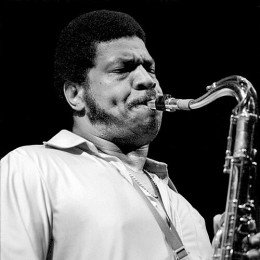 Enlarge Image
George Coleman is an American jazz saxophonist, composer and educator whose career spans Memphis blues, the bands of Miles Davis, and decades of leading his own groups. Best known for tenor saxophone, he also plays alto and soprano. He was named a National Endowment for the Arts Jazz Master in 2015 and continued performing into his nineties.
Explore Related Biographies
Selected for this profile


People Mentioned in This Biography

Memphis childhood and early work
George Edward Coleman was born on March 8, 1935, in Memphis, Tennessee. He attended Manassas High School and developed as a musician within the city's active jazz and blues community. Inspired by Charlie Parker, he taught himself alto saxophone as a teenager. The Memphis Music Hall of Fame describes his early work with B.B. King and his transition to tenor saxophone, the instrument most closely associated with his subsequent career.
In 1956, Coleman moved to Chicago and played with drummer Walter Perkins' group MJT+3. He later joined Max Roach's band, working alongside trumpeters Kenny Dorham and Booker Little, and settled in New York. His subsequent association with Slide Hampton's octet gave him further experience as a performer and arranger.
Miles Davis and Maiden Voyage
Coleman joined Davis in 1963, playing with Herbie Hancock, bassist Ron Carter and drummer Tony Williams. His time in the band is documented on recordings including Seven Steps to Heaven, My Funny Valentine and Miles Davis in Europe. The Los Angeles Philharmonic's career biography places these recordings within a wider career of ensemble playing and studio work.
After leaving Davis, Coleman reunited with Hancock for the pianist's 1965 Blue Note album Maiden Voyage. His tenor saxophone contributed to a session that also featured Freddie Hubbard, Carter and Williams. The recording connected Coleman's work with Davis to another important chapter in acoustic jazz.
His own groups and recordings
Coleman developed a parallel career as a bandleader, performing in quartet, quintet and octet settings. His recordings include Amsterdam After Dark, At Yoshi's and My Horns of Plenty. He also recorded the album Eastern Rebellion with pianist Cedar Walton, bassist Sam Jones and drummer Billy Higgins. These projects gave him room to develop his arranging ideas and lead ensembles beyond his better-known work as a sideman.
Teaching and recognition
Education has been a sustained part of Coleman's career. The NEA's 2015 Jazz Masters publication documents teaching appointments at Mannes, Long Island University and New York University, as well as master classes elsewhere. Trumpeter Chris Botti studied privately with Coleman using NEA grant support, according to AllMusic's Botti biography.
Coleman entered the Memphis Music Hall of Fame in 2012 and received the NEA Jazz Masters honor in 2015. His later performances often included his son, drummer George Coleman Jr. In an October 2026 interview and concert report, the National Autonomous University of Mexico described his September appearance at Sala Nezahualcóyotl at age ninety-one. The report documents an ongoing performing career rather than treating his earlier achievements as its endpoint.
Portrait credit
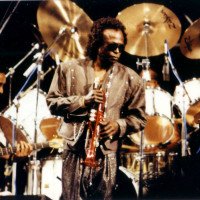
Photo: Brian McMillen. Wikimedia Commons source; CC BY-SA 4.0. Preview resized for display and automatic site thumbnail crop; image adaptations under the same license.