Patsy Cline
Edit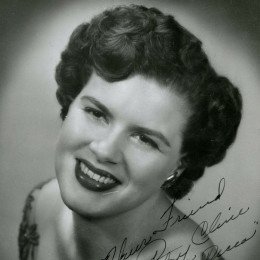 Enlarge Image
Patsy Cline was an American country singer whose recordings reached audiences well beyond country radio. Her best-known songs include “Walkin’ After Midnight,” “I Fall to Pieces” and “Crazy.” Although she died in 1963 at just 30, her recordings remained influential, and she became the first solo female performer elected to the Country Music Hall of Fame.
Explore Related Biographies
Selected for this profile

People Mentioned in This Biography

Early life and becoming Patsy Cline
She was born Virginia Patterson Hensley on September 8, 1932, in Winchester, Virginia. The Library of Virginia's biography records that she left school as a teenager to help support her family and began singing professionally. Regional performances and work with a local bandleader helped her develop the stage identity that audiences later recognized.
She adopted Patsy as her performing name and retained the surname Cline after her first marriage. Her recording contract in 1954 led to her earliest Nashville sessions the following year. These beginnings involved years of local and regional work before a nationally successful record brought her wider recognition.
“Walkin’ After Midnight” and national recognition
Her breakthrough came in January 1957, when she sang “Walkin’ After Midnight” on Arthur Godfrey's Talent Scouts. The Country Music Hall of Fame's career history records the song's rise to number two on the country chart and number twelve on the pop chart. The television appearance helped introduce her to an audience beyond the country circuit.
Nashville, Owen Bradley and signature songs
Cline became a Grand Ole Opry member in January 1960 and signed directly with Decca that summer. Producer Owen Bradley guided recordings that became associated with the Nashville Sound, combining her country singing with polished arrangements and backing vocals. “I Fall to Pieces” became a number-one country hit in 1961.
“Crazy,” written by Willie Nelson, became another signature recording. Her repertoire also included “She's Got You” and “Sweet Dreams.”
Loretta Lynn and a lasting musical influence
Cline's influence also extended through her relationships with other performers. PBS's biography of Loretta Lynn identifies Cline as a mentor to Lynn, who went on to a major country-music career of her own. Their friendship remains part of the story of women establishing careers in Nashville.
Later audiences continued to encounter Cline through recordings, tributes and screen portrayals. The 2017 documentary Patsy Cline: American Masters revisited her life and artistic impact. Its focus on her place in music history reflects how a brief recording career continued to attract attention decades after her death.
Death and posthumous honors
Cline died in a plane crash on March 5, 1963. She was buried at Shenandoah Memorial Park near Winchester. Her death ended a career that had only recently achieved sustained national success, but recordings and later releases kept her voice in circulation.
She was elected to the Country Music Hall of Fame in 1973. The Recording Academy later recognized her contribution with a Lifetime Achievement Award in 1995. These honors distinguish the lasting significance of her work from the short span of her life.
Portrait credit: Patsy Cline promotional photograph, circa 1957. Photographer unidentified. Public domain in the United States: published without copyright notice, as documented by Wikimedia Commons. Existing 2020 Commons crop; website resizing and thumbnail cropping.